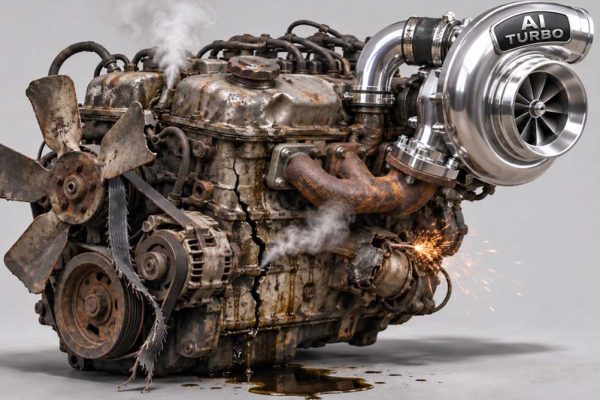
Faster Isn’t Fixed: Why AI Won’t Save a Broken Innovation Engine
AI promises faster innovation. But if your engine is broken, speed just gets you to disappointing results sooner. Justin Wright on what needs fixing first.

CORPORATE CLIENTS





MANGROVE BACKED


SMEs


"I was intrigued by your seeming ability to see tangents and lateral business opportunities, something I was struggling with in a somewhat linear industry. I came away from every meeting buzzing with ideas - the strategic advice you offer is unlike anything I can compare with."
CEO / Founder Entrepreneur
Every business has its own specific growth challenge. We deliver performance-driven advice and thinking that delivers tangible results and leaves a lasting legacy for your organisation.
Getting the most out of your ideas, investment & Innovation Engine.
Exploring disruptive options & making focused choices that deliver the greatest impact.
Instilling accountability and commercial thinking in Sustainability teams and plans.
Creating a Challenger Culture that translates to optimal human and business performance.
AI promises faster innovation. But if your engine is broken, speed just gets you to disappointing results sooner. Justin Wright on what needs fixing first.
BuzzBallz grew US sales 65.6% to $569 million while Diageo announced $1 billion in cost cuts. The problem is not Gen Z drinking less. It is how big alcohol is built to compete.
Innovation has never been just about having good ideas; it is about outcomes. Most of the issues lie within the innovation operating model: the engine of how the business does innovation.
A lot of our time at Mangrove is focused on helping companies optimise their approach to innovation. But more important than process or strategy is the people factor – and in a world increasingly driven by data and AI, that’s only becoming more true.
In-market failure rates for innovation have sat between 80% and 95% for three decades, largely untouched by the money and resource businesses have thrown at the discipline. In our experience, the problem is rarely the ideas. It’s almost always the system managing them.
Innovation failure rates have sat between 80% and 95% for three decades, largely untouched by the money and resource thrown at the discipline. For innovation to survive the existential threat it currently faces, it must front up to the performance challenge.