Innovation, performance and problems in the innovation engine
Innovation has never been just about having good ideas; it is about outcomes. Most of the issues lie within the innovation operating model: the engine of how the business does innovation.


Innovation has never been just about having good ideas; it is about outcomes. Most of the issues lie within the innovation operating model: the engine of how the business does innovation.
A lot of our time at Mangrove is focused on helping companies optimise their approach to innovation. But more important than process or strategy is the people factor – and in a world increasingly driven by data and AI, that’s only becoming more true.
In-market failure rates for innovation have sat between 80% and 95% for three decades, largely untouched by the money and resource businesses have thrown at the discipline. In our experience, the problem is rarely the ideas. It’s almost always the system managing them.
Innovation failure rates have sat between 80% and 95% for three decades, largely untouched by the money and resource thrown at the discipline. For innovation to survive the existential threat it currently faces, it must front up to the performance challenge.
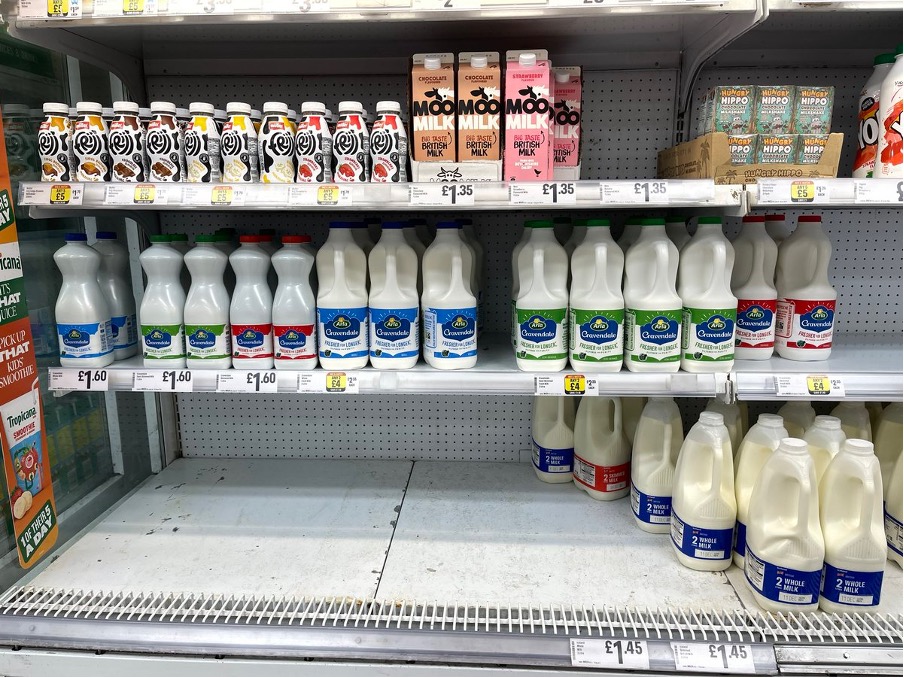
In a world of rapidly accelerating sustainability legislation, we’ve been reminded that it’s still the consumer who holds most of the cards. Recent events in dairy and automotive show what happens when brands push change faster than consumers are willing to follow.
Apple’s annual iPhone launch cycle is a masterclass in confusing consumer wants with consumer needs. Their latest Product Environmental Report looks good on paper, but it completely ignores the environmental cost of the cycle itself.
Benchmarking is rarely an uplifting experience. But this week we were reminded of something more specific: how easy it is to draw completely the wrong conclusions when you’re not comparing apples with apples.
Sustainability has slipped down the CEO priority list as AI takes centre stage. But the real opportunity isn’t to choose between them – it’s to bring them together. The potential wins for sustainability from smart AI application are enormous.
There’s a growing view that businesses have been chasing the wrong sustainability goal. Being sustainable – doing less harm – may no longer be enough. The new ambition is to become regenerative: actively restoring people, places and the planet.
Is that EV charging in the garage really better for the environment? What about that mattress you’re lying on? As sustainability-driven innovation uncovers more uncomfortable truths, brands face a tricky question: how much should you tell consumers before you’ve fixed the problem?
Amazon hit their 2030 renewable energy target seven years early. Impressive – or was the target simply too low? And does any of it matter if consumers can’t follow the story? When it comes to sustainability, actions will always speak louder than words and numbers.
As leading car manufacturers drop entry-level models to hit EV targets, it raises a bigger question for every business: what does good growth actually look like? Profit, margin, unit sales and sustainability goals cannot always all be satisfied at once.